VW INTEL GROUP / BRIEF / OPERATIONS INTELLIGENCE
Operations Intelligence: Canadian AI workflow audit
Book the AI workflow audit Canadian operators run before they wire a model into a real workflow. You walk in with one operations process. You walk out with a workflow map, a bottleneck list, an AI-fit shortlist, and a 30/60/90 rollout brief. The brief lands in your inbox the same week. The engineer who runs the audit also writes the brief; nothing is handed off.
WHAT YOU GET FROM OPERATIONS INTELLIGENCE
What the AI workflow audit delivers in writing
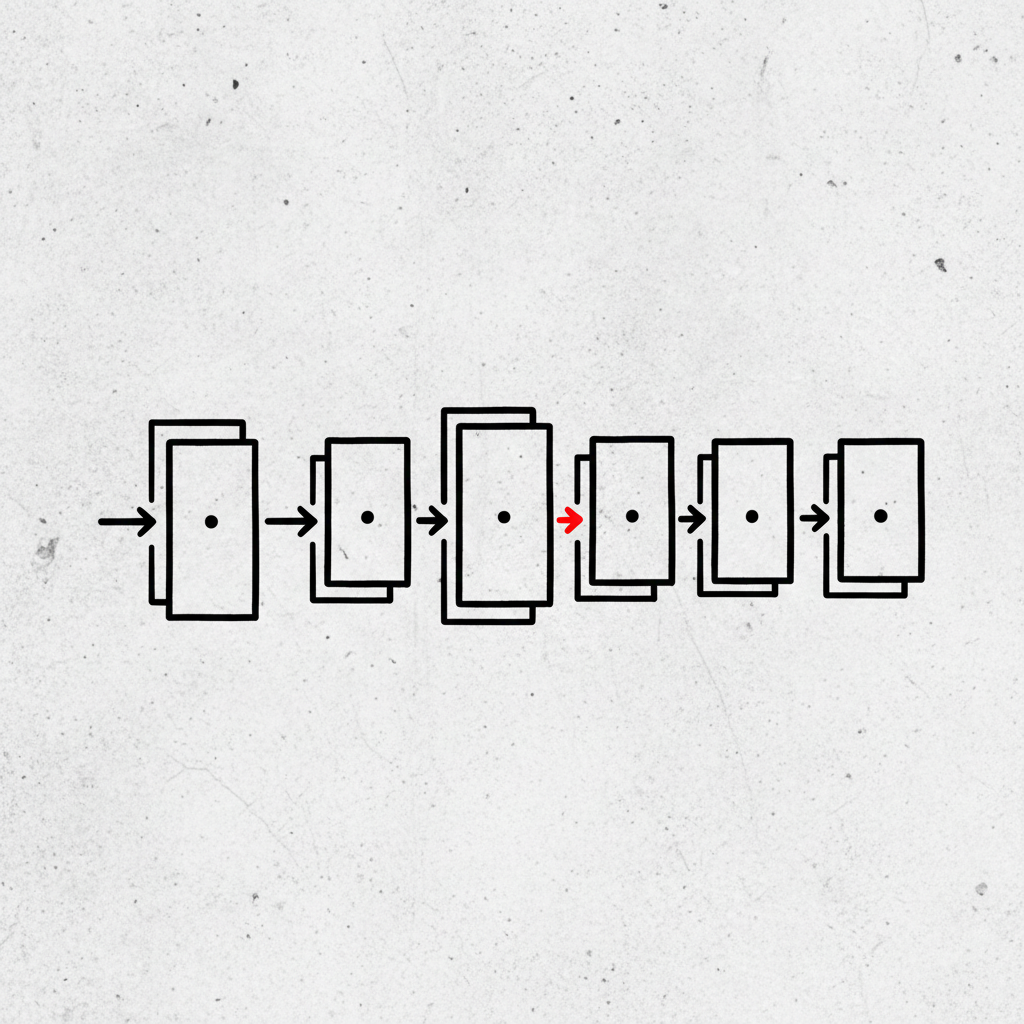
Operator-readable workflow map
A one-page workflow map of the operations process you bring to the call. Every step is named. Every handoff is drawn. The map is a working artefact, not a slide deck. Furthermore, the map ships as a PDF the same week.

Ranked bottleneck list
A ranked list of bottlenecks. Hours lost per week. Cost per month in plain dollars. Each entry names the failure mode, the input that triggers it, and the owner who feels the pain. Specifically, the top three bottlenecks carry a fix-effort estimate.
AI-fit shortlist
A shortlist of three to five workflow steps where an AI agent earns its cost in Canadian dollars. Each step is named. Each step ships with a confidence score, a privacy note under PIPEDA, and the data residency answer for that specific surface.

30/60/90 rollout brief
A 30/60/90 rollout brief. Each milestone names the artefact you ship that week. Each milestone names the rollback note if it fails. Moreover, the brief lands in plain English, ready to forward to a board, a procurement lead, or an operations director.
HOW THE AUDIT RUNS
How the AI workflow audit Canadian operators book actually runs
01
Workflow capture
Twenty minutes. You walk us through the operations process you want audited. We sketch each step on the shared canvas in real time. You correct the sketch as we go. The result is your workflow map, drafted live, not handed off to a junior.
02
Instrumentation
Twenty minutes. We score each step on four numbers: time per run, dollar cost per run, error rate, and owner. Then we rank the bottlenecks by hours lost per week. Specifically, the top three bottlenecks become the candidates for AI-fit modelling in the next step.
03
AI-fit modelling
Twenty minutes. We model AI-fit per bottleneck. Each candidate gets a confidence score, a privacy note under PIPEDA, and a data residency answer. Furthermore, we name a Canadian-hosted model where the privacy posture demands it.
04
Rollout brief
Thirty minutes. We hand you the workflow map, the bottleneck list, the AI-fit shortlist, and the 30/60/90 rollout brief. The audit ends here. The artefacts ship to your inbox by Friday.
SCOPE AND PREREQUISITES
What the AI workflow audit covers, and what to bring
Inside scope of the audit
- One end-to-end operations process per call. We focus rather than survey.
- Every step in the process, with named inputs and outputs. We sketch the map live.
- Bottleneck ranking by hours lost per week and dollars per month. We name the owner.
- AI-fit modelling per step. Three to five candidates emerge. We name each one.
- Privacy posture per step under PIPEDA. We cite the clause where it applies.
- Data residency answer for each AI-fit candidate. We name the country each byte sits in.
- Vendor neutrality. We name candidates; you choose. We take no referral fees on this audit.
- 30/60/90 rollout brief with rollback notes. We test the rollback against one plausible failure.
- Plain-English summary, ready to forward to a board, a procurement lead, or an insurer.
What you bring to the call
- One operations process owner who can answer questions live on the call.
- One operations process documented well enough to discuss for one hour.
- Any existing process notes, runbooks, or rough sketches; we work from what you have.
- One regulatory worry that keeps you up at night: PIPEDA, OSFI B-13, AIDA, or sector-specific.
- Honest answers about what runs today, what breaks weekly, and what costs the most. We will not judge.
REGULATORY GROUNDING
Grounded in Canadian privacy and federal AI guidance
Each AI workflow audit cites the relevant Canadian guidance directly. Specifically, we do not invent frameworks; we read the clauses. The AI-fit shortlist scores each candidate against PIPEDA for personal data handling, the Treasury Board federal Directive on Automated Decision-Making for public-sector deployments, and the NIST AI Risk Management Framework where it informs Canadian practice. Furthermore, every privacy note in the brief carries a citation that a procurement lead or a board can verify in writing.
References: the Treasury Board Directive on Automated Decision-Making and the NIST AI Risk Management Framework.
FREQUENTLY ASKED
Frequently asked questions about the AI workflow audit
One Vanwebdev engineer runs the audit on one call. The engineer has shipped operations workflows for Canadian operators under PIPEDA and reads the regulatory clauses for a living. Furthermore, the engineer who runs the call also writes the brief; nothing is handed off to a junior.
The operations audit price is quoted on the product page; the calendar link follows within one business day. The workflow map, the bottleneck list, the AI-fit shortlist, and the 30/60/90 rollout brief are all included. Vanwebdev does not run an upsell ladder on this audit.
Yes. We sign a mutual non-disclosure agreement before the audit call begins. The Vanwebdev template is available on request, or we sign yours if it is a standard Canadian operator NDA.
Informal works well. The AI workflow audit Canadian operators book is designed for the undocumented-process state. Specifically, we sketch the workflow map live during the call; you do not need a polished diagram to begin.
We stay neutral on AI vendors. When a recommendation is structurally required, we name two or three candidates per AI-fit step and explain the trade-offs; you choose. Vanwebdev does not take vendor referral fees on this audit.
Up to five people on the call: the operations process owner, one engineer, one operations lead, one finance lead, and one observer. Beyond five the call loses focus; we will ask to split into two audits.
BOOK THE AUDIT
Book the AI workflow audit Canadian operators trust
One operator on the call, one Vanwebdev engineer on the call, one working brief in your inbox by Friday. Specifically, you book through the standard Vanwebdev product page; you receive a calendar link within one business day; we sign the NDA before the call. Moreover, the brief covers the workflow map, the ranked bottleneck list, the AI-fit shortlist, and the 30/60/90 rollout plan.
Adjacent reading: the sibling Sovereign Infrastructure Brief for the topology brief Canadian operators run before they build; the sibling Standing Engagement for the monthly retainer line that follows the workflow audit; the sibling Threat Brief for the monthly Canadian threat intelligence brief; the sibling AI Red Team for point-in-time adversarial testing of the AI surfaces this audit scopes; the sibling Sovereign AI Defense for the continuous runtime monitor retainer for the agents this audit recommends; the sibling Intelligence Audit for the AI readiness audit Canadian operators run; the Library for the AI Risk Map for Canadian Operators; the Reading Group for operator-facing dispatches; the Case Studies hub for production engagement records; the Research trunk for named research outputs.