
VW INTEL GROUP / BRIEF / INTELLIGENCE AUDIT
Intelligence Audit: $250 1:1 consultation
Book the AI readiness audit Canada operators run before they ship a model into production. Specifically, you walk in with one AI system or one shipping plan; you walk out with a scored risk map, a prioritised remediation list, and a 90-day plan. Moreover, the audit is one operator and one Vanwebdev engineer on one call. Consequently, you skip the consultancy slide deck and get a working document the same week.
WHAT YOU GET FROM THE INTELLIGENCE AUDIT
What the AI readiness audit Canada operators book delivers in writing
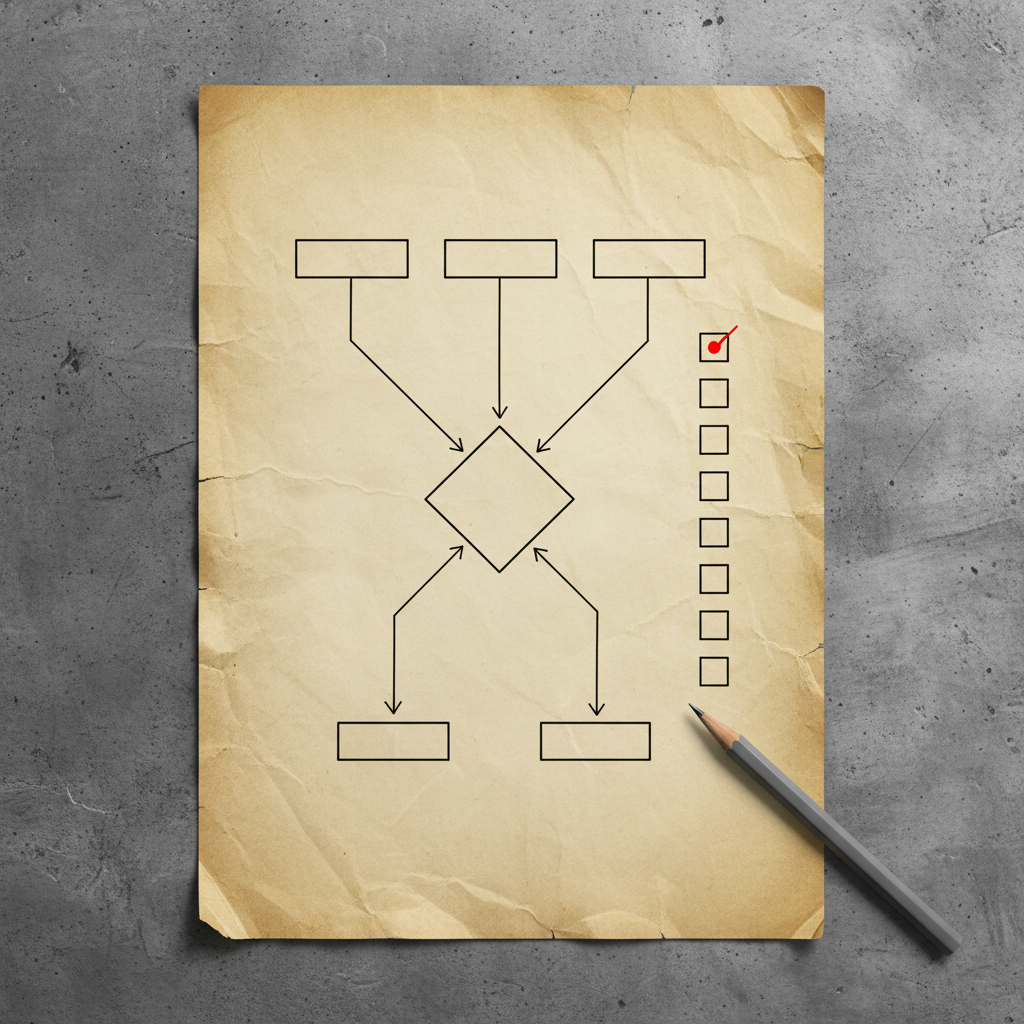
Operator-readable risk map
A one-page scored risk map of your AI system, drawn live during the call. Every input, every tool, every output node carries a score. The map is a working artefact, not a slide deck.
Prioritised remediation list
A prioritised remediation list. Top fixes first, with the order, the cost band, and the regulatory clause that motivates each item under PIPEDA or ITSG-33 where relevant.
90-day plan
A 90-day rollout plan with weekly checkpoints. Each checkpoint names the artefact you ship that week and the rollback note if it fails. Furthermore, the plan stays inside your operator budget.
Two-page executive brief
A two-page executive brief written in plain English. Pass it to a regulated client, a board, or an insurer without translation. Specifically, it covers what you fixed, what you accepted, and why.
HOW THE AUDIT RUNS
How the AI readiness audit Canada teams use actually runs
01
Discovery call
Twenty minutes. You describe your AI system, your operator clients, and the regulation that worries you the most. We listen first; we ask the hard questions second. The recording is yours.
02
Surface mapping
Twenty minutes. We sketch every input surface, every tool call, and every output channel. The drawing is a working schematic; you keep the file. Furthermore, the schematic becomes the basis for the risk score.
03
Risk modelling
Twenty minutes. We score each surface against the relevant Canadian regulation: PIPEDA for personal data, ITSG-33 for federal residency, OSFI B-13 for financial services, the federal Directive on Automated Decision-Making for public-sector deployments. Each score includes a rationale.
04
Brief delivery
Thirty minutes. We hand you the scored map, the prioritised fix list, the 90-day rollout plan, and the two-page executive brief. The audit ends here. The artefacts ship that week.
SCOPE AND WHAT YOU BRING
What the AI readiness audit Canada operators book covers, and what to bring
Inside scope of the audit
- One AI system or one shipping plan per call. We focus rather than survey.
- Prompt inputs and every user-facing surface. We sketch the attack-surface map together.
- Tool calls, function calls, and third-party integrations. We list each external dependency.
- Output channels and downstream consumers. We trace where the AI output actually lands.
- Data residency posture and a jurisdiction map. We name the country each byte sits in.
- Logging, monitoring, and audit trail design. We score what is captured against what must be captured.
- Incident response posture and the rollback plan. We test the rollback against one plausible failure.
- Regulatory framing under PIPEDA, ITSG-33, OSFI B-13, or AIDA as relevant. We cite the clause.
What you bring to the call
- A working AI system, or a shipping plan documented well enough to discuss in one hour.
- One regulatory worry that keeps you up at night: PIPEDA, OSFI B-13, ITSG-33, AIDA, or sector-specific.
- Any existing architecture diagrams or design notes, even rough sketches; we work from what you have.
- Twenty-minute access to the engineer who actually built or owns the system in production.
- Honest answers about what is logged, what is monitored, and what is not. We will not judge.
REGULATORY GROUNDING
Grounded in real Canadian and federal AI regulation
Each audit cites Canadian regulation directly. Specifically, we do not invent frameworks; we read the clauses. The risk map scores against PIPEDA, ITSG-33, OSFI B-13, the Treasury Board federal Directive on Automated Decision-Making, and the NIST AI Risk Management Framework where it informs Canadian practice. Moreover, every score in the map carries a citation that an auditor, a board, or an insurer can verify in writing.
References: NIST AI Risk Management Framework and the Treasury Board Directive on Automated Decision-Making.
FREQUENTLY ASKED
Frequently asked questions about the intelligence audit
One Vanwebdev engineer runs the audit, on one call. The engineer has shipped production AI systems in Canada under PIPEDA and ITSG-33, and reads the regulatory clauses for a living. Furthermore, the engineer who runs the call also writes the brief; nothing is handed off.
The $250 fee is final. Vanwebdev does not run an upsell ladder on this audit. If your situation requires a multi-week engagement after the call, we name a price band and you decide; the audit price never changes retroactively.
Yes. We sign a mutual non-disclosure agreement before the audit call begins. The Vanwebdev template is available on request, or we sign yours if it is a standard Canadian operator NDA.
Pre-launch works well. The AI readiness audit Canada operators run before they ship was specifically designed for the pre-launch state. Specifically, the earlier you audit, the cheaper the remediation list is to execute.
We stay neutral on vendors. When a recommendation is structurally required, we name two or three options and explain the trade-offs; you decide. Vanwebdev does not take vendor referral fees on this audit.
Up to four people on the call: one engineer who built the system, one product or operations lead, one legal or compliance contact, and one observer. Beyond four the call loses focus; we will ask to split into two audits.
BOOK THE AUDIT
Book the AI readiness audit Canada operators trust
Two hundred and fifty Canadian dollars. One operator on the call, one Vanwebdev engineer on the call, one working brief shipped that week. Specifically, you book through the standard Vanwebdev product page; you receive a calendar link within one business day; we sign the NDA before the call.
Adjacent reading: the sibling Operations Intelligence for the workflow audit that scopes which workload should ship AI; the sibling Sovereign Infrastructure Brief for the topology brief Canadian operators run before they build; the sibling Standing Engagement for the monthly retainer line that follows the audit; the sibling Threat Brief for the monthly Canadian threat intelligence brief; the sibling AI Red Team for point-in-time adversarial testing of the same AI surfaces; the sibling Sovereign AI Defense for the continuous runtime monitor retainer the audit scales into; the Library for the AI Risk Map for Canadian Operators; the Reading Group for operator-facing dispatches; the Case Studies hub for production engagement records; the Research trunk for named research outputs.