
VW INTEL GROUP / READING GROUP
Reading Group Canada — Tuesday Dispatch for AI Operators
The Reading Group Canada Tuesday dispatch lands in your inbox every Tuesday morning at 06:30 Pacific. Specifically, the editorial covers what we read, broke, and shipped in the previous seven days across Canadian AI infrastructure engagements. Moreover, the audience is operators running production AI workloads under PIPEDA, ITSG-33, and OSFI B-13 regulatory constraints, not vendors selling to them. Additionally, every issue runs five minutes or less, names the runbook or rollback that earned its place, and ships zero affiliate links. Consequently, the dispatch is the credential rather than the upsell.
5-minute read
Every issue caps at five minutes of reading time, measured at 250 words per minute on a desktop browser. Specifically, the format ships with scannable headers, named artifacts in every section, and one load-bearing metric per item rather than a wall of marketing prose.
Production-grade only, no toy demos
We only ship issues that document something we shipped in production during the previous seven days across Canadian operator engagements under PIPEDA-scoped data flows. Furthermore, the editorial principle is: no toy demos, no influencer threads, and no roundup-of-other-people-tweets.
Free. No upsell.
Zero course bundles, zero affiliate links, and zero marketing-automation drip campaigns appear on this list. Additionally, the unsubscribe link sits in every email at one click of distance and the list itself stays out of every third-party data broker on record.
Join the Reading Group Canada dispatch.
One email Tuesday morning lands in your inbox at 06:30 Pacific with the week’s Reading Group Canada dispatch. Specifically, the signup runs as a single email field, zero double opt-in chase, zero marketing-automation funnel, and zero secondary upsell flows. Moreover, we route every signup directly to the editorial inbox at contact@vanwebdev.ca for transparent operator-to-operator correspondence.
Recent issues from the Reading Group Canada archive.
A sample of what hits the inbox each Tuesday morning. Specifically, every issue documents a specific Canadian operator engagement or a named Vanwebdev research output, with the methodology in full and the cost economics in the open.
Why we replaced OpenAI for one Canadian client and what shipped instead
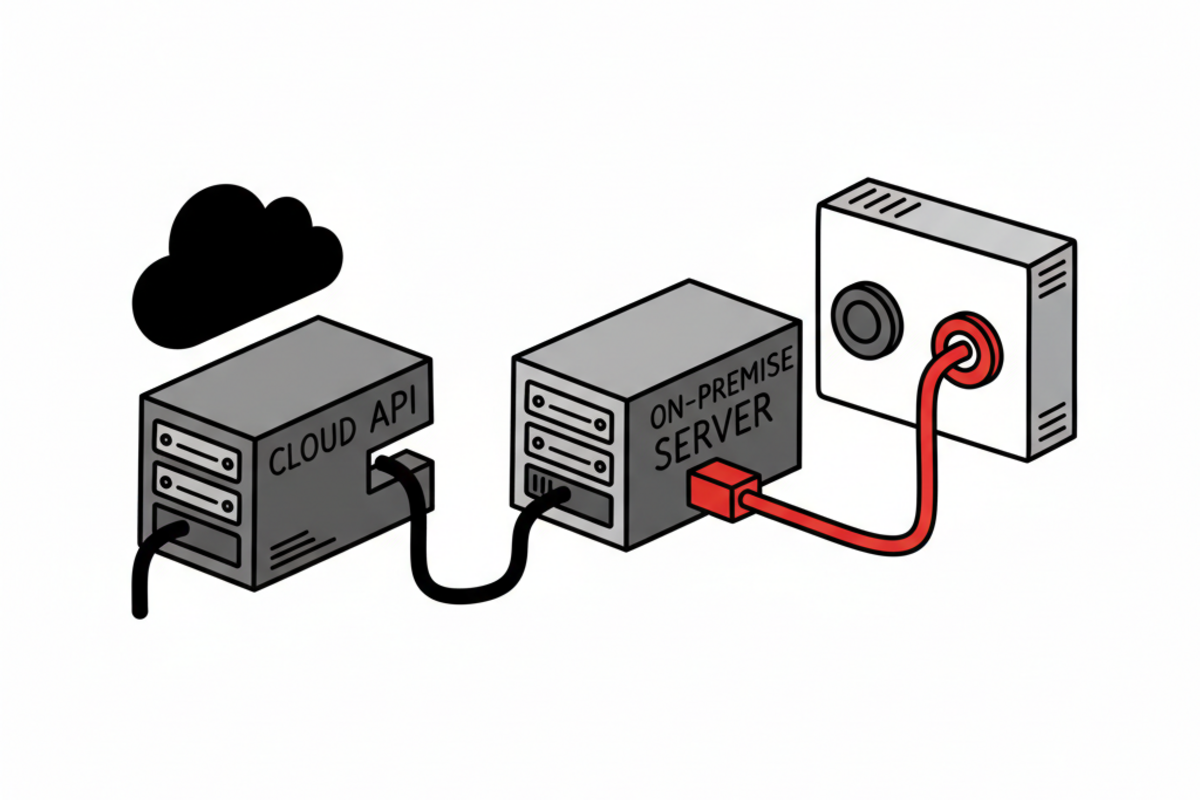
A Toronto SaaS operator was burning $5,000 per month on OpenAI completion API calls before the engagement landed. Specifically, a 13B Llama fine-tune deployed on a single Hetzner Helsinki GPU cut the monthly compute bill to $180 in three weeks. Moreover, the issue covers the runbook, the three gotchas we hit during eval, and the latency trade-off between batching and time-to-first-token.
Read issue →
The 4 sovereign-AI deployment patterns Canadian operators are shipping in 2026
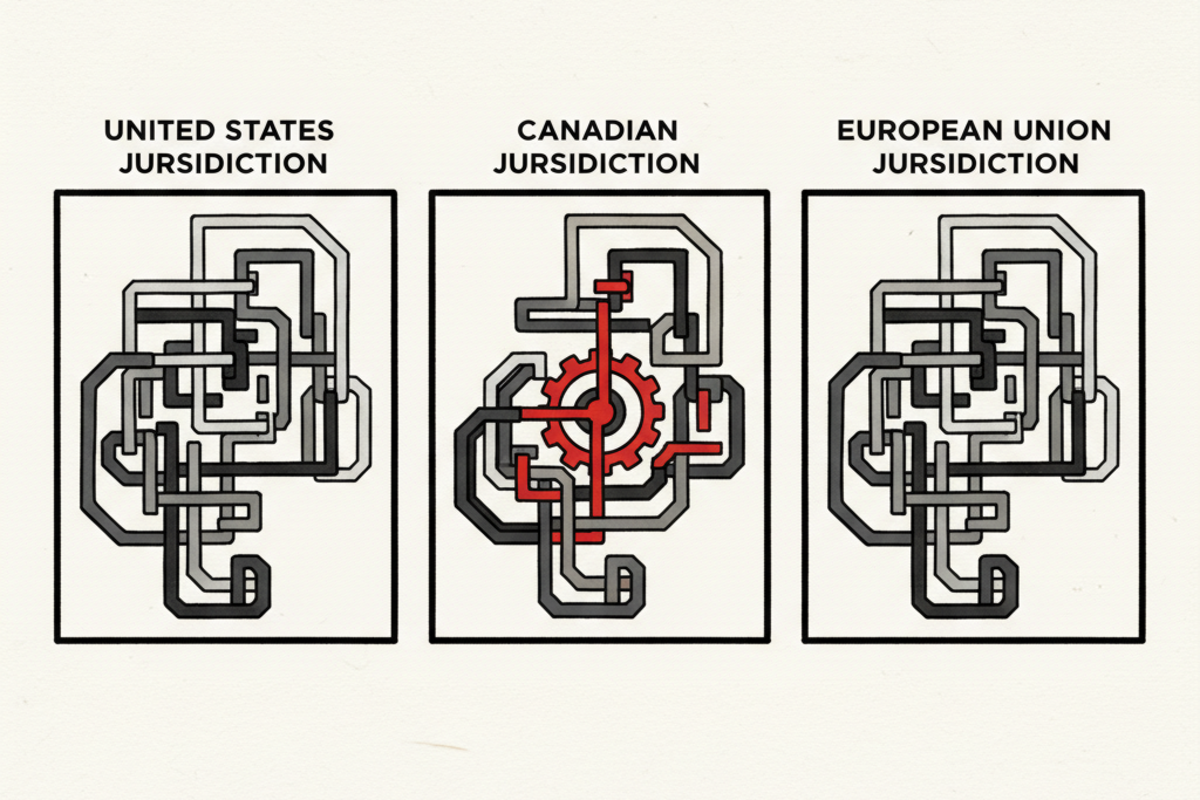
Four named deployment patterns Canadian operators are shipping in 2026, indexed by jurisdiction and data-residency requirement under PIPEDA. Specifically, the Sovereign Box runs fully on-prem and the EU-Helsinki Pass-Through routes through Hetzner under EU-adequacy. Additionally, Sovereign-MCP Tooling federates models across mixed jurisdictions, while the Federal Protected-B Air Gap satisfies ITSG-33 control families for Treasury Board workloads.
Read issue →
Welcome to Reading Group Canada — what this dispatch is, and what it is not
The opening Reading Group Canada issue states the editorial principle out loud: a five-minute read every Tuesday morning, production-grade artifacts only, zero upsell anywhere, runbooks and rollbacks rather than influencer takes. Furthermore, the welcome issue lists what the dispatch will not cover, including framework wars, vendor flame threads, and roundup-of-other-people-tweets content.
Read issue →
We treat the dispatch like a runbook entry, not a marketing channel. If we are not learning, we do not ship the issue.
— Vanwebdev LTD editorial principle
Reading more, deploying more.
The full catalog of named research outputs, deployment runbooks, Canadian operator case studies, and quarterly threat briefs lives in the AI infrastructure library Canada catalog. Moreover, every artifact downloads free under CC-BY-SA 4.0 and every dataset versions on Hugging Face under a permissive licence.