
VW INTEL GROUP / BUILD / SOVEREIGN INFRASTRUCTURE BRIEF
Sovereign AI infrastructure Canada: the operator brief
Book the sovereign AI infrastructure Canada brief before signing a hyperscaler contract or a new GPU lease. You walk in with one workload. You walk out with a topology diagram, a Canadian-first vendor shortlist, an egress map, and a phased migration plan. The brief lands in your inbox the same week. Furthermore, the engineer who scopes the brief also writes it; nothing is handed to a junior.
WHAT YOU GET FROM THE BRIEF
What the sovereign AI infrastructure Canada brief delivers in writing
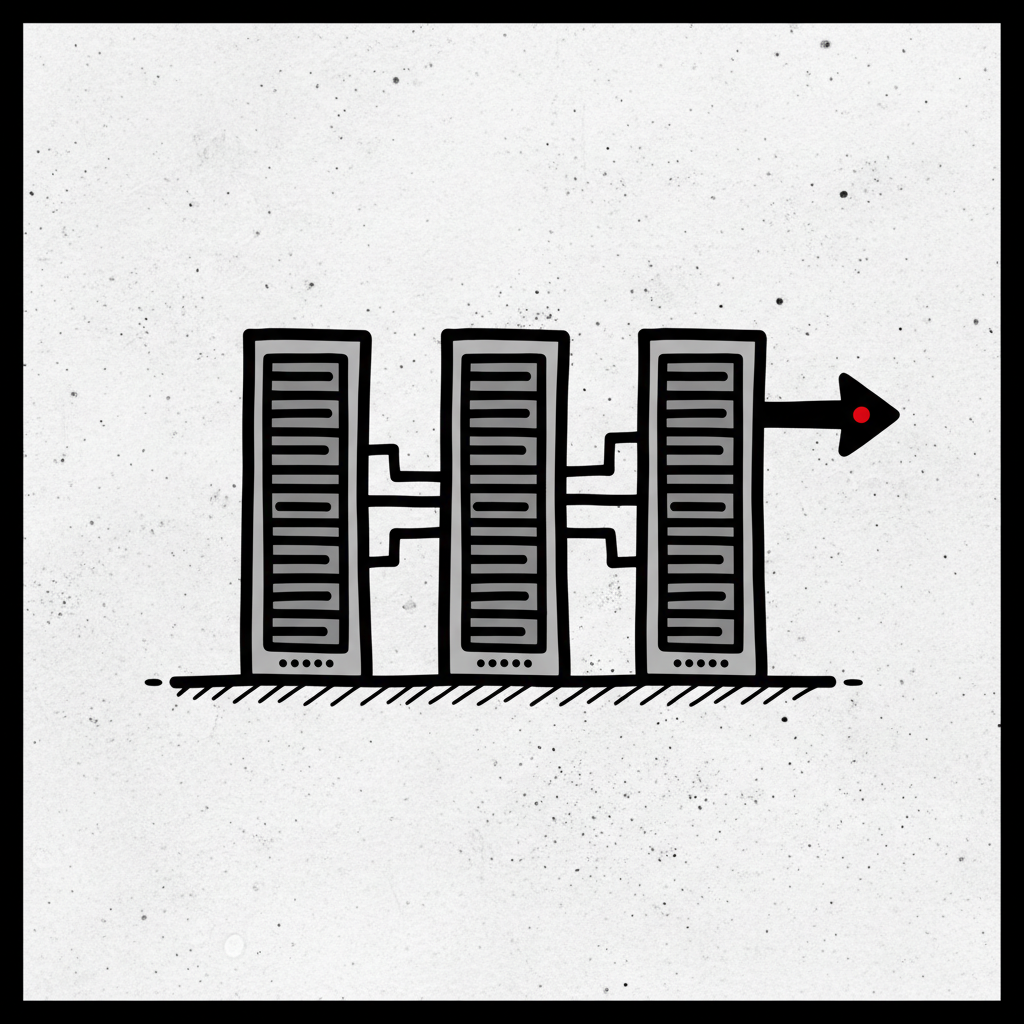
Sovereign topology diagram
A one-page topology diagram of the proposed sovereign AI stack for the workload you bring to the call. On-prem racks, private cloud, or hybrid topology. We name every node. We draw every interconnect. The diagram ships as PDF the same week and as an editable source file for your architects.
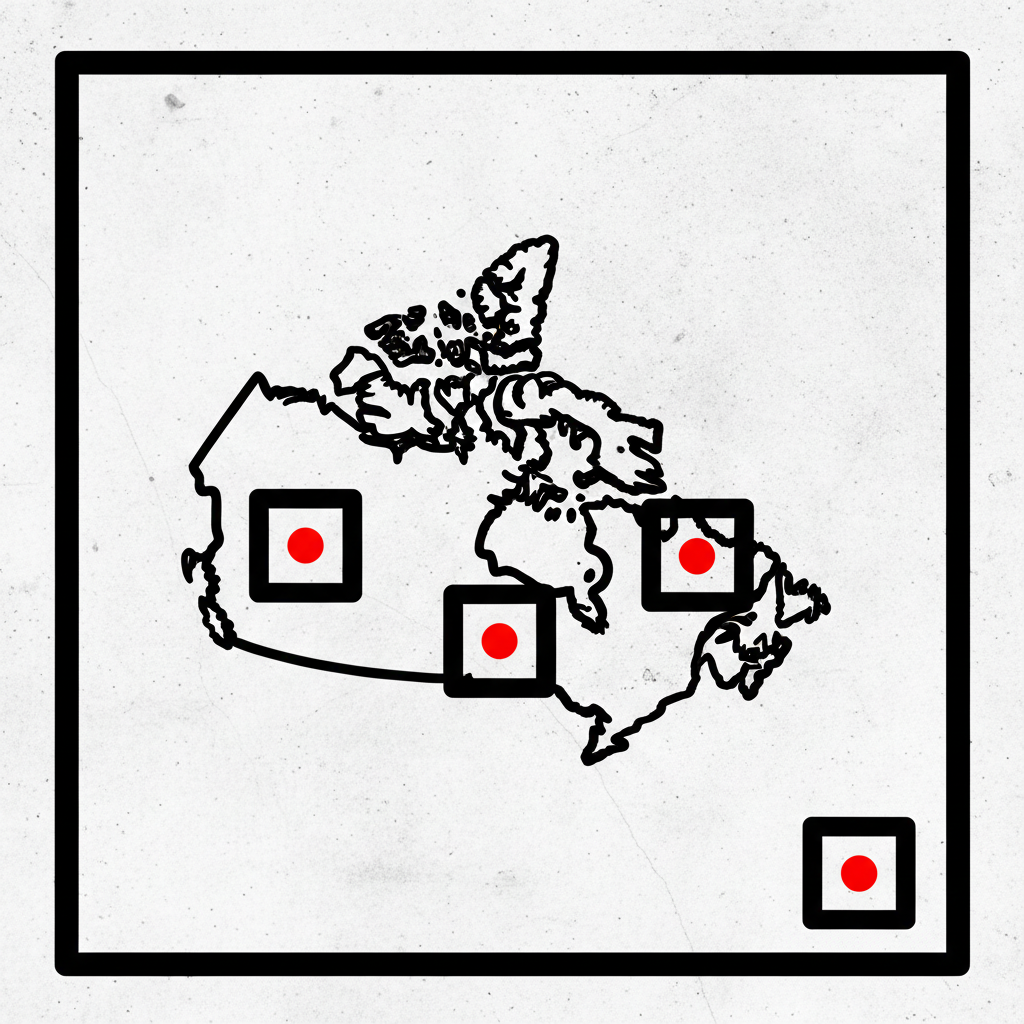
Canadian-first vendor shortlist
A vendor shortlist with Canadian-jurisdiction options named first across six layers: GPU compute, model hosting (open-weight and API), retrieval indices, vector store, observability, and key management. Specifically, each named vendor carries a jurisdiction note, a contract-term flag, and a renewal-risk score.
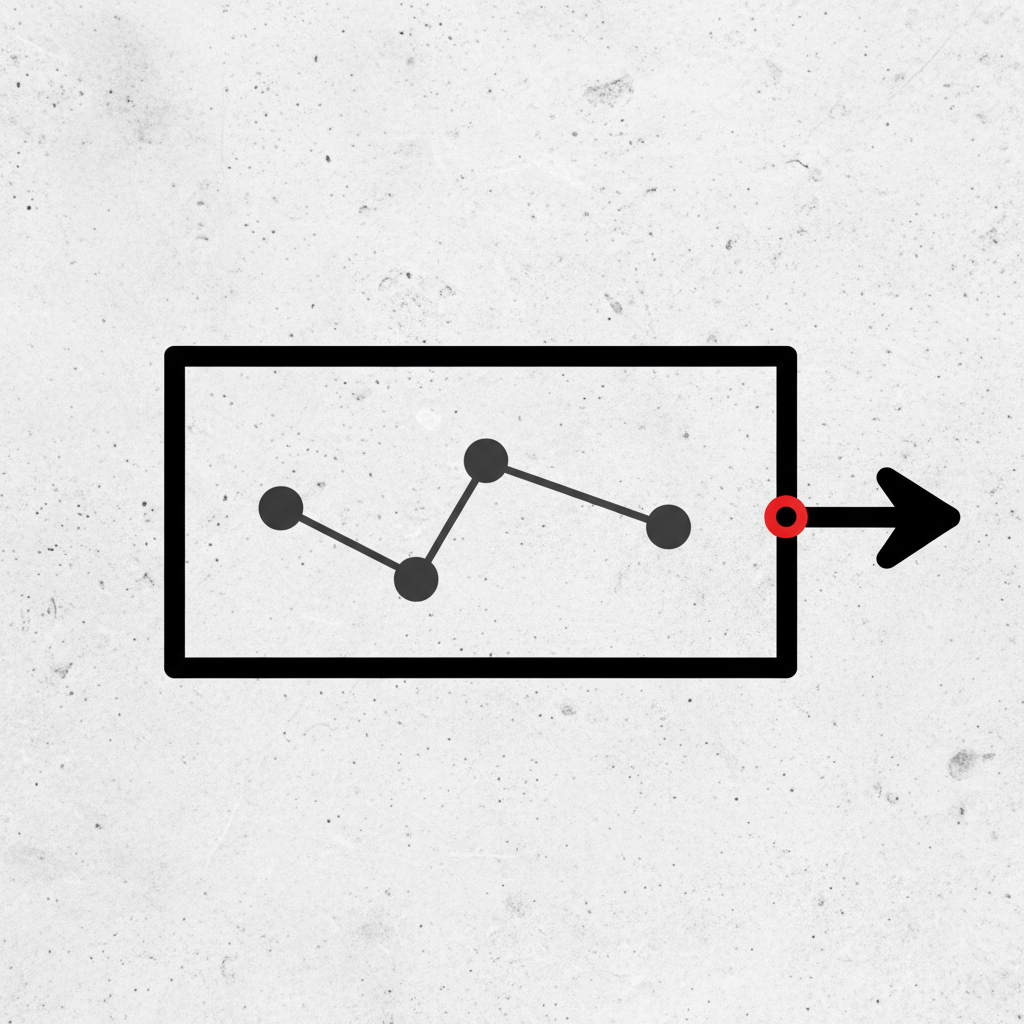
Egress and data-flow map
An egress and data-flow map. We trace every byte from operator input to model output to storage. Country codes mark each hop. We pin PIPEDA principles and ITSG-33 control families to the boundary they cross. Moreover, the map flags every external hop where a Protected B reclassification matters.
Phased migration plan
A phased migration plan across four quarterly milestones. Each phase names the workload to land that quarter, the artefact you ship, and the rollback note if the phase fails. Furthermore, each phase lists the procurement leadtime and the named decision-maker on your side.
HOW THE BRIEF RUNS
How the sovereign AI infrastructure Canada brief gets written and shipped
01
Requirements scoping
Thirty minutes. You walk us through the workload you want to host in Canadian jurisdiction. We capture inputs, output destinations, model class, and throughput envelopes. We draft the scoping document live; you correct it on the shared canvas.
02
Data classification crosswalk
Twenty minutes. We map every data class your workload touches to PIPEDA principles and ITSG-33 control families. Specifically, we mark where a class crosses a Protected B boundary, and we flag the audit-trail obligation that follows from each crossing.
03
Topology modelling
Forty minutes. We model on-prem, private cloud, and hybrid topologies side by side. Each option carries a capital cost, a recurring cost, a vendor count, and a sovereignty score. Moreover, we name the failure mode each topology rejects and the failure mode each topology accepts.
04
Brief delivery with Q&A
Thirty minutes. We hand you the topology diagram, the Canadian-first vendor shortlist, the egress map, and the phased migration plan. The brief ships to your inbox by Friday. Furthermore, the engagement covers one follow-up Q&A window of thirty minutes.
SCOPE AND PREREQUISITES
What the sovereign AI infrastructure Canada brief covers, and what to bring
Inside scope of the brief
- One AI workload per brief. We focus rather than survey, and the topology serves that workload.
- GPU and CPU AI workloads scoped end to end. We size the compute against your throughput envelope.
- Open-weight model hosting on Canadian compute. We name the model, the host, the jurisdiction.
- API model proxying with egress controls. We map each external call to the byte-level boundary.
- Retrieval index design for Canadian data corpora. We pick the index against your latency budget.
- Vector store vendor choice with jurisdiction filters. We rank vendors by Canadian-region availability.
- Observability stack with audit-trail retention. We name the retention window your auditor demands.
- Key management with HSM or KMS shortlist. We name the key custodian and the rotation cadence.
- Egress map and data-residency boundaries. We trace every byte; we mark every country code.
- ITSG-33 control family mapping per workload. We cite the family; we name the control number.
What you bring to the call
- One AI workload to scope; we work the brief around it end to end.
- One workload owner who can answer questions live on the call.
- Any existing topology diagram or vendor list; we work from what you have.
- Your current data classification posture, even if it is informal today.
- Honest answers about today’s stack, today’s gaps, and today’s budget.
Outside scope of the brief
- Hands-on build work; the brief is brief only. Book a build engagement after.
- Long-term standing engagement; book Standing Engagement for ongoing infrastructure work.
- Compliance certification; we cite controls and we name gaps, but we do not issue stamps.
REGULATORY GROUNDING
Grounded in ITSG-33 and Canadian federal AI directive guidance
Each sovereign AI infrastructure Canada brief cites the relevant Canadian guidance directly. Specifically, we do not invent frameworks; we read the clauses. The topology diagram maps every control boundary to the ITSG-33 control family that governs it, the egress map cites PIPEDA principles by section number, and the migration plan ties each phase to the Treasury Board Directive on Automated Decision-Making where the workload triggers an automated decision. Furthermore, every citation in the brief carries a clause reference that a procurement lead or a board can verify in writing.
References: the ITSG-33 (IT Security Risk Management: A Lifecycle Approach) and the Treasury Board Directive on Automated Decision-Making.
FREQUENTLY ASKED
Frequently asked questions about the sovereign AI infrastructure Canada brief
Brief only. Hands-on build sits inside the separate Standing Engagement service or vendor adapter work. The brief gives you the topology, the shortlist, the egress map, and the migration plan; the build phase is a separate engagement you can run with us or with your own team.
Sovereign means three things in Canada: a jurisdictional answer that PIPEDA and provincial regulators recognise, an audit-trail your insurer and auditor accept, and Bill C-27 readiness for AIDA when it lands. Without sovereign posture you risk a cross-border data transfer your regulator does not allow. Furthermore, sovereign topology is cheaper to defend in an incident review than a hyperscaler-only stack.
One Vanwebdev engineer scopes the workload, models the topology, writes the brief. The engineer has shipped Canadian AI infrastructure under PIPEDA and reads ITSG-33 control families for a living. Moreover, the engineer who scopes the brief also writes it; nothing is handed to a junior between the scoping call and the delivered document.
We adapt. If your topology is sound, we audit it against ITSG-33 and PIPEDA boundaries and we cite the gaps. If it is partial, we extend it across the layers it misses. Specifically, the brief always reflects your starting position; we do not propose a green-field rewrite unless your workload truly is green-field.
We name two or three Canadian-jurisdiction candidates per layer: GPU compute, model hosting, retrieval, vector store, observability, key management. We explain the trade-offs against your throughput envelope and your audit posture. You choose. Vanwebdev does not take vendor referral fees on this brief.
The brief lands by Friday the same week the scoping call runs, assuming a Monday or Tuesday call. The engagement covers one follow-up Q&A window of thirty minutes; we book the window inside the brief itself.
BOOK THE BRIEF
Book the sovereign AI infrastructure Canada brief Canadian operators run before they build
One workload on the call, one Vanwebdev engineer on the call, one brief in your inbox by Friday. Specifically, you book through the standard Vanwebdev product page; you receive a calendar link within one business day; we sign the mutual NDA before the call. Moreover, the brief covers the topology diagram, the Canadian-first vendor shortlist, the egress map, and the phased migration plan.
Adjacent reading: the sibling Standing Engagement for the monthly retainer line that runs after the topology lands; the sibling Threat Brief for the monthly Canadian threat intelligence brief; the sibling AI Red Team for point-in-time adversarial testing of the sovereign stack this brief scopes; the sibling Sovereign AI Defense for the continuous runtime monitor retainer for the sovereign stack this brief scopes; the sibling Intelligence Audit for the AI readiness audit Canadian operators run; the sibling Operations Intelligence for the workflow audit that scopes which workload should ship sovereign; the Defend trunk for runtime protection; the Research trunk for named research outputs; the Library for the AI Risk Map for Canadian Operators.